Sarawak offers a wealth of things to do, places to see, and experiences to be had. If you’re planning to visit Sarawak for the first time but you don’t have anything specific that you’re looking for just quite yet, then we recommend you start by exploring the cities and towns first just to get a feel of things down here in the Land of the Hornbills.
Kuching
Sarawak’s capital city Kuching is unique in so many ways. For one, it is the only city in the continent with two municipalities! The word ‘kucing’ is Malay for ‘cat’, hence the nickname ‘Cat City’. Kuching is the first and only city in Malaysia to be awarded the title City of Unity, and it’s all thanks to the unshakeable unity among its multi-ethnic society all living together in perfect harmony. It is also a UNESCO City of Gastronomy and is home to Southeast Asia’s tallest flagpole, the Tiang Ibu Pertiwi, at 99 metres tall.
Must-visit day-time attractions in Kuching:
Second largest museum in Southeast Asia, the state-of-the-art Borneo Cultures Museum in Kuching. (Photo Credit: Sarawak Tourism Board)
Borneo Cultures Museum (BCM) – This world-class museum is the second largest in Southeast Asia and the most state-of-the-art museum in Malaysia. It houses some of the most important artefacts in the region, including the skeletal remains of Southeast Asia’s oldest modern human, dubbed the Deep Skull. BCM is also Malaysia’s first museum to receive official recognition as a Green Building under the Green Building Index (GBI).
The iconic Dewan Undangan Negeri (DUN) Building overlooking downtown Kuching. (Photo Credit: KOSMO! Online)
Dewan Undangan Negeri (DUN) Building – The State Legislative Assembly building is a modern-day icon of not only Kuching City but also Sarawak. This 9-storey landmark is designed in the shape of a nine-pointed star, with a golden roof that somewhat resembles the Melanau sunhat or ‘terendak’. The DUN Building is a must-have in your series of Sarawak selfies and social media posts.
A breath-taking scene of the Darul Hana Bridge with the DUN building in the background. (Photo Credit: northstarmeetingsgroup.com)
Darul Hana Bridge – Launched in 2019, the ‘S’ shaped Darul Hana Bridge is a pedestrian bridge that connects the two sides of the Sarawak River and offers a unique vantage point from which one can admire views of the bustling Kuching Waterfront on one side and the iconic Astana, DUN Building, Fort Margherita, Ibu Pertiwi flagpole and Kampung Gersik on the other.
Carpenter Street is one of the oldest streets in Kuching. (Photo Credit: Carpenter Street 亚答街)
The old streets of Kuching – They include Padungan, Carpenter Street, Ewe Hai Street, India Street and the Main Bazaar. Lined with old shops as well as trendy new establishments, they offer both nostalgia and a fresh, contemporary vibe that are perfect for photo opportunities. From grabbing a bite to doing some souvenir shopping, these streets have it all!
One of Kuching’s many heritage buildings, Fort Margherita today houses The Brooke Gallery. (Photo Credit: The Brooke Trust)
Heritage buildings and landmarks – There’s no shortage of these in Kuching. Some of the must-visit historical buildings and landmarks include Fort Margherita (built in 1879 to fend off pirates), The Tua Pek Kong Temple (the city’s oldest Taoist temple dating back to before 1839), The Old Sarawak Museum (Borneo’s first museum, opened to the public by Rajah Charles Brooke on Aug 4, 1891 – the museum is currently closed but the public can take photos of the stunning museum building itself), the Old Court House (now home to trendy F&B joints and the Ranee Museum showcasing the life and legacy of Margaret de Windt, the first Ranee of Sarawak) and, the Old State Mosque (iconic mosque originally built in 1847 during Rajah James Brooke era).
Miri
Sarawak’s second biggest city is famous for the discovery of oil by Royal Dutch Shell in 1910. Known as the birthplace of Malaysia’s petroleum industry, Miri is a major gateway to renowned attractions including two UNESCO World Heritage Sites, namely Gunung Mulu National Park and Niah National Park.
But if you’re not planning on venturing out of the urban confines, here are some of the day-time attractions within Miri City that you can visit:
Miri’s Coco Cabana is known for its stunning sunsets, cool sea breeze, relaxing atmosphere and the giant seahorse statue. (Photo Credit: EV photography)
Coco Cabana – Head to Miri’s most popular hangout spots for the sea breeze and the relaxing atmosphere. A picture with the city’s giant seahorse statue is not to be missed when you visit here.
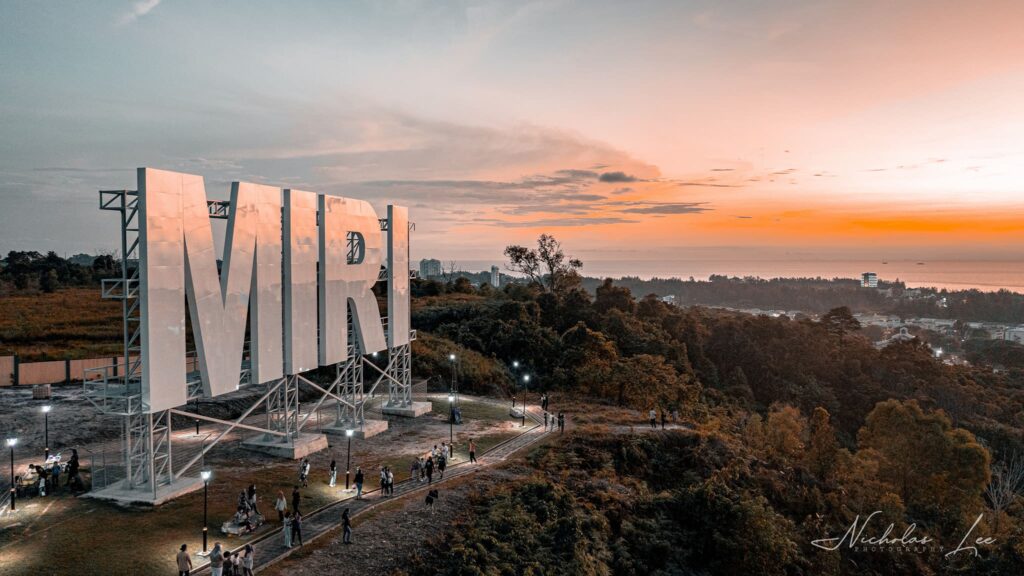
The famous Canada Hill in Miri now has a new landmark, a giant Miri sign that overlooks the city below. (Photo Credit: Nicholas Photography)
Canada Hill – This tourist hotspot on a hill provides the perfect vantage point from which to admire the sweeping view of Miri City. Here, visitors can learn about the region’s oil industry at the Petroleum Museum and see for themselves the iconic Grand Old Lady oil well right outside. A new landmark on Canada Hill is the giant Miri sign that overlooks the city below.
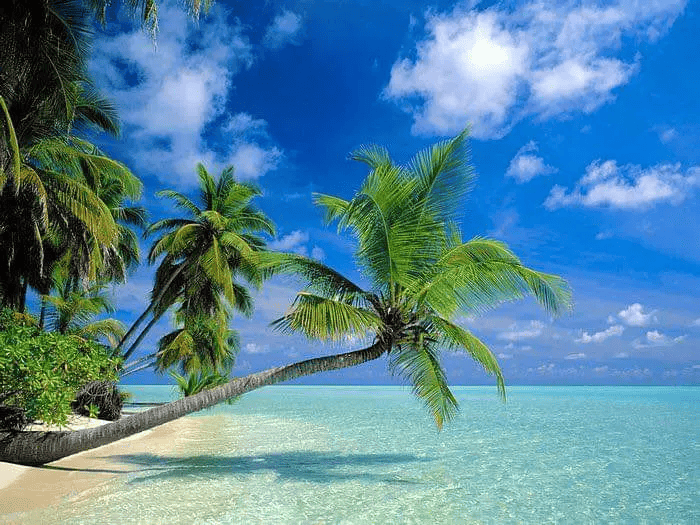
Miri boasts many beautiful beaches, including the scenic Hawaii Beach. (Photo Credit: Abhishek Sharma)
Beaches of Miri – Miri is most famous for its beaches that are not too far away from the city centre, the closest being Marina Beach and Pantai Tanjung Lobang. Tusan Beach, Luak Esplanade, Hawaii Beach and Bakam Beach are some of the famous ones among locals and tourists alike.
The Miri Handicraft Centre is a must-visit spot for unique Sarawakian souvenirs, handmade crafts, and beautiful beadwork. (Photo Credit: Sarawak Tourism Board)
The Miri Handicraft Centre – Located on Jalan Brooke in Miri City, this centre is a must-visit spot for unique Sarawakian souvenirs, handmade crafts, and beautiful beadwork, housed in a historic building that once served as a community hall. The products sold here are all locally produced by the indigenous craftspeople.
Aerial view of the award-winning Miri City Fan. (Photo Credit: Teo A. Khing Design Consultants)
Miri City Fan – This award-winning public park in the heart of Miri offers beautifully landscaped gardens, themed parks, and an open-air amphitheatre, making for an ideal spot for relaxation and family recreation.
Sibu
Sibu sits at the confluence of the Rajang and Igan Rivers and is known for its rich cultural diversity, with a majority Chinese Fuzhou community living in perfect harmony alongside the Iban, Malay, and Melanau folks. It’s a haven for food lovers, and for those seeking a cultural experience. Some of its day-time attractions are:
The vast Sibu Central Market is not to be missed. (Photo Credit: sibupages)
Sibu Central Market – This lively and bustling market is the largest indoor market in Malaysia. It’s a fascinating blend of sights, sounds, and smells, with rows upon rows of stalls offering everything you can imagine. You’ll find Iban ladies selling exotic fruits, jungle produce, and beautiful handicrafts, while Chinese poultry vendors display their live chickens and ducks, wrapped in newspaper tubes. Upstairs, you’ll find some of Sibu’s cheapest kampua and shaved ice prepared with classic contraptions. Definitely a must-visit.
Come to Rejang Esplanade for fascinating sights like these “floating supermarkets”. (Photo Credit: visitsibu.com)
The Rejang Esplanade – This beautifully landscaped waterfront promenade stretches from the Express Boat Passenger Terminal to the Kingwood Hotel. A popular spot for locals and visitors alike, it features scenic river views, the iconic Swan Statue, and unique attractions like speedboats made from old airplanes.
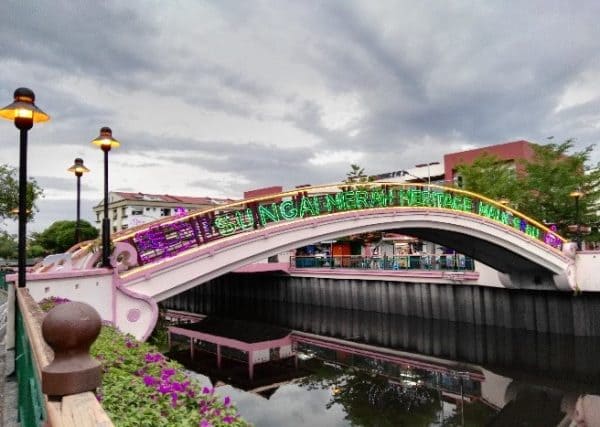
A section of the Sungai Merah Heritage Walk in Sibu. (Photo Credit: worldheritage.com.my)
Sungai Merah Heritage Walk – This heritage walk takes visitors through a historic bazaar believed to be where the first Chinese settlers arrived, leading to the Wong Nai Siong Memorial Garden, dedicated to the town’s founding figure, while showcasing the striking red waters of the river. It’s a nice place to relax and learn about Sibu’s history.
The Sibu Heritage Centre is where you can learn about Sibu’s rich history. (Photo Credit: visitsibu.com)
Sibu Heritage Centre – Housed in the former Sibu Municipal Council building, here is where one can learn the cultural heritage and history of central Sarawak, with exhibits like Chinese porcelain and clay vases, as well as artefacts belonging to the many different ethnic groups of the region. Originally built in 1963, the building was repurposed and opened as a heritage centre in 2011 after extensive renovations.
The Lau King Howe Hospital Memorial Museum is definitely a unique attraction. (Photo Credit: The Lau King Howe Hospital Memorial Museum Association, Sibu)
Lau King Howe Hospital Memorial Museum – The first of its kind in Malaysia, the museum commemorates the legacy of the Lau King Howe Hospital, which served the region’s healthcare needs from 1936 to 1994. Visitors can see historical medical equipment and learn about the evolution of healthcare, and the impact of Lau King Howe’s contributions on Sibu’s community and development.
Bintulu
This coastal town in central Sarawak was the site of Malaysia’s earliest state legislature system. Its transformation began in 1969 with the discovery of offshore oil and gas reserves, leading to its development as a hub for energy-intensive industries, including Malaysia’s LNG plant and Samalaju Industrial Park. Bintulu boasts tourist attractions like Similajau National Park, and the annual Borneo International Kite Festival. Some of its day-time attractions include:
The historic Council Negeri Monument in Bintulu. (Photo Credit: afro_botak)
Council Negeri Monument – This small yet highly significant monument commemorates the first Sarawak legislative assembly meeting held in 1867 under Charles Brooke, the second White Rajah of Sarawak. A centenary stone was erected at the site in 1967 to celebrate the meeting’s 100th anniversary. A clock tower and fountain were later added in 1987, with further aesthetic improvements made in 1998. The monument is located along the way to the heart of Bintulu town.
The Bintulu Mosque or Masjid Assyakirin. (Photo Credit: Wikipedia)
Bintulu Mosque – Also known as Masjid Assyakirin, meaning “Gratefulness to God,” this mosque is a modern architectural marvel that blends contemporary design with spiritual significance. If features a serene atmosphere with a cascading waterfall, fountains, beautiful landscaping, and a strikingly unique dome.
A section of the expansive Bintulu Promenade. (Photo Credit: Ithni Shaari)
Bintulu Promenade – Spanning 120 acres, this promenade is Sarawak’s longest waterfront attraction. It combines commercial and recreational spaces and is located near the Kemena River delta and Parkcity Everly Hotel. It’s an ideal spot for relaxing strolls, sunset views, and enjoying the evening breeze.
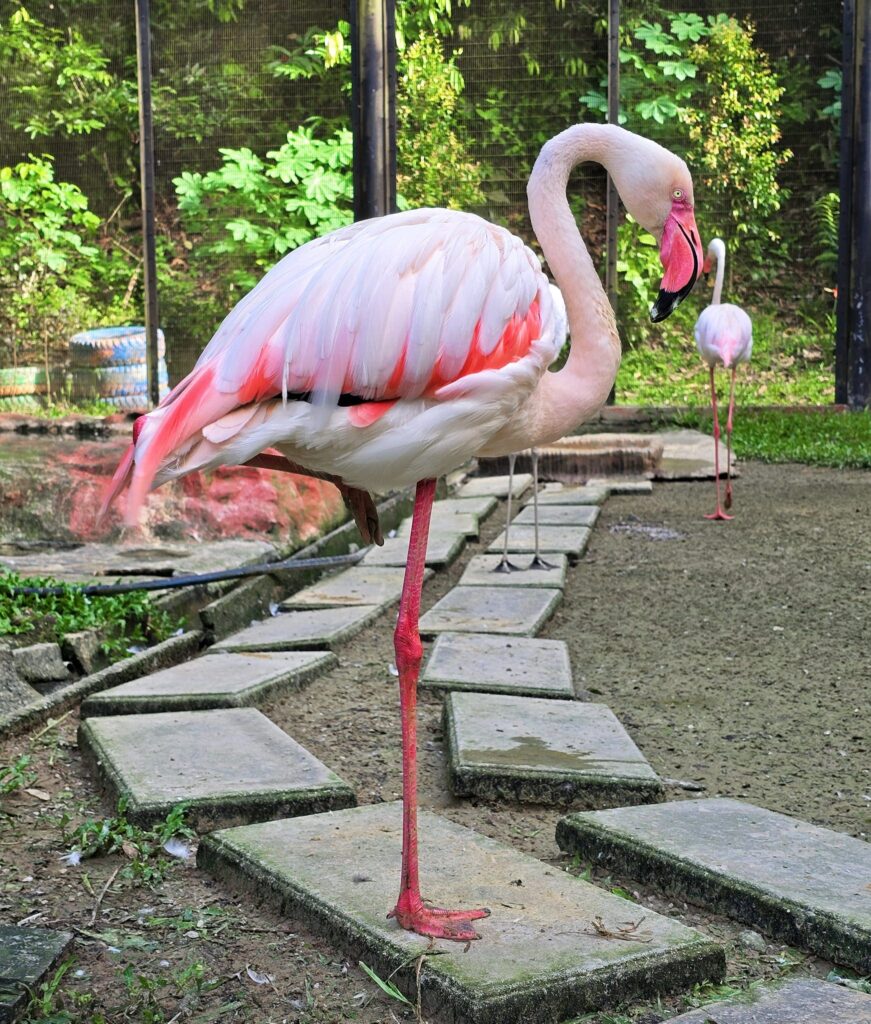
A flamingo at Bintulu’s Taman Tumbina. (Photo Credit: MyPets Bintulu)
Taman Tumbina – This wonderful park whose name is a combination of the Malay words “tumbuhan” (plants) and “binatang” (animals), is the only zoo in northern Sarawak. It houses animals like crocodiles and pythons as well as a huge variety of plant species. Taman Tumbina is also a popular spot for jungle trekking and hill climbing, offering stunning views of the South China Sea from the hilltop.
The scenic Tanjung Batu Beach in Bintulu. (Photo Credit: junwei wong)
Tanjung Batu Beach – Named for its distinctive “Rocky Isthmus” feature, Tanjung Batu Beach is a picturesque combination of rocky and sandy shores, and is a favourite destination for locals and visitors who come to Bintulu. Families often gather here to enjoy leisurely strolls, jogging along the scenic coastline, or simply relaxing under the sun.